Context
Earthwise is a summer school in conservation science hosted at the Royal Botanic Gardens, Kew. The programme gives young people the opportunity to engage with biodiversity scientists and gain valuable skills in conservation research methods.
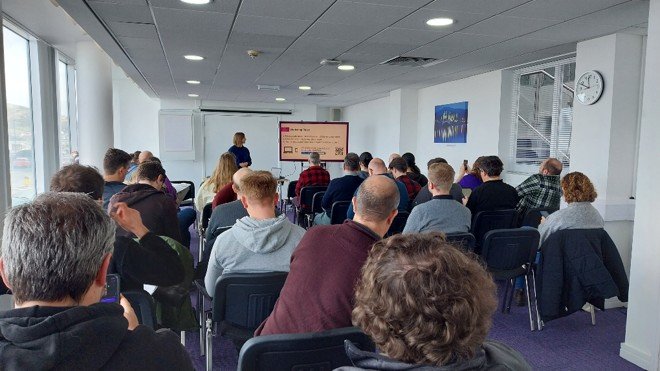
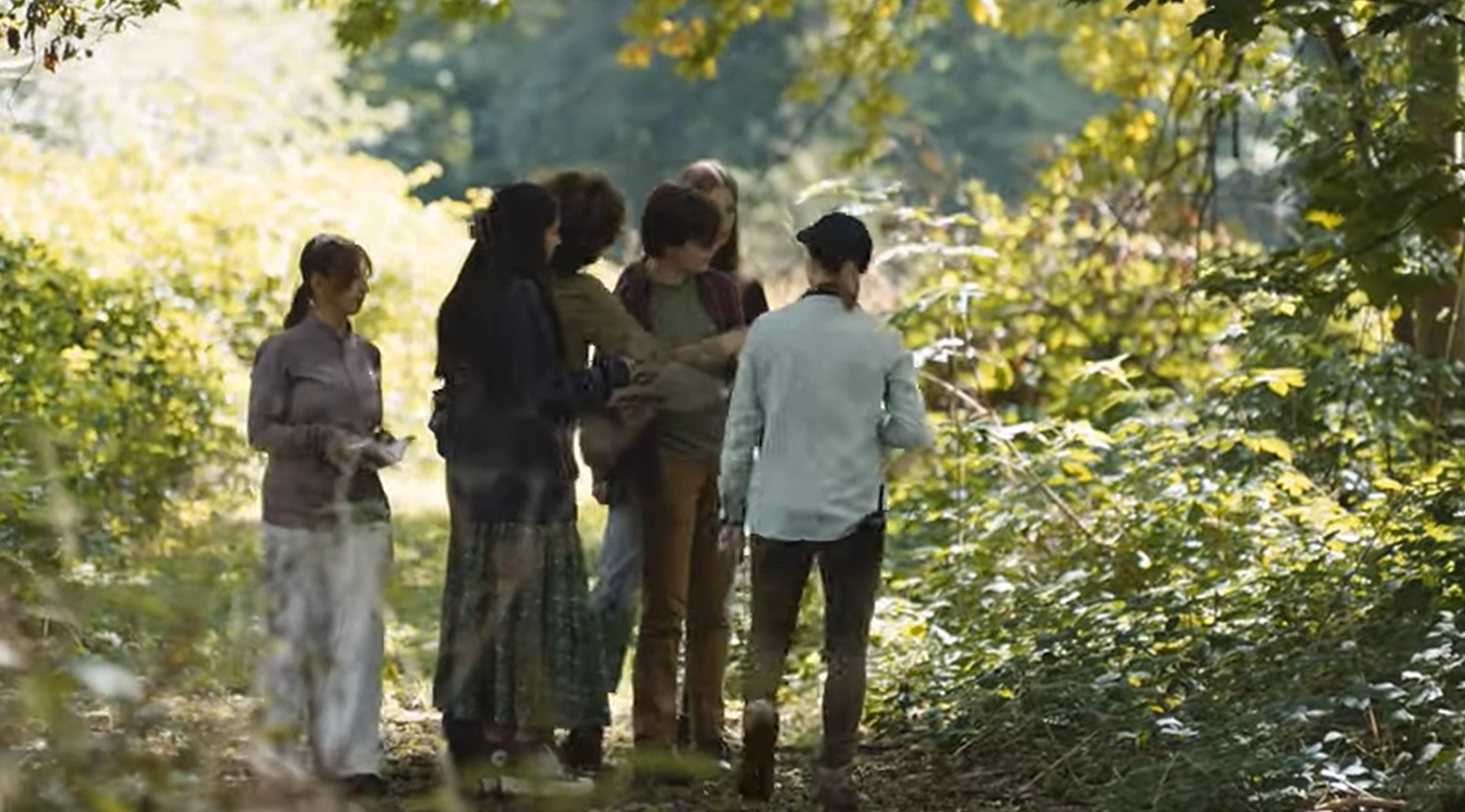
Throughout the week-long programme, the young people conduct their own research project, undertake fieldwork using the ‘living laboratories’ of Kew and Wakehurst and hear from Kew experts in biodiversity science and conservation.
The brief
Our role was to design and deliver the biodiversity research project component of the programme: a structured, inquiry‑based curriculum that embedded biodiversity research at the heart of the week.
Our approach
We co-produced the programme with educators and practitioners, and implemented sessions in a way that balanced scientific rigour with accessibility for participants aged 14–17. We aligned all teaching activities, workshops, and field sessions to support this core project, so that skills development, ecological theory, and practical methods reinforced one another rather than sitting in isolation.
At the centre of Earthwise is a hands‑on biodiversity research project. Participants carry out a BioBlitz, generate species records, and used these data to answer ecological questions of their own design. Around this, the curriculum introduces key concepts in ecology and conservation, research design, data interpretation, and science communication, alongside exposure to a wide range of conservation careers through talks and site visits. Reflection is built into the programme to help participants connect new knowledge with values, confidence, and future aspirations.
Impact
In its first year, the programme was a resounding success, leading to further funding to continue the summer programme for a further four years. The outcomes from the programme have been both educational and practical. Participants show clear gains in biodiversity knowledge, scientific literacy, and confidence in using research methods. Many young people have shared with us that they have shifted in how they perceive nature, conservation, and who science is “for”, alongside increased interest in volunteering, further study, or careers in the environmental sector.
We are excited to again be supporting the next cohort of Earthwise participants this summer, 2026.
Thank you – Kew Youth Team – for inviting us into this inspiring programme!
Need support developing educational programmes in conservation science?
Empirical Nature provides specialist support through our Training, Education and Outreach services. We work with organisations to design and deliver classroom- and field-based workshops, research-led curricula and outreach programmes that engage young people, build scientific confidence and inspire action for nature.