The UK’s commitment to protect 30% of land and sea for nature by 2030 (“30×30”) has brought renewed attention to the role of protected areas in biodiversity recovery. However, policy discussions have increasingly recognised that designation alone is not enough: outcomes depend on where sites are located, how they are managed, and how they function within wider landscapes.
Context
Translating ecological evidence into realistic expectations for protected areas is central to evaluating the potential effectiveness of area-based conservation policies. The British Ecological Society (BES) made an open call for researchers to apply to co-produce a policy briefing report examining how protected areas can support biodiversity outcomes under the 30×30 commitment. This was a large, collaborative project initiated by the BES policy team and in partnership with researchers from different Universities, conservation agencies and research institutes.
Impact
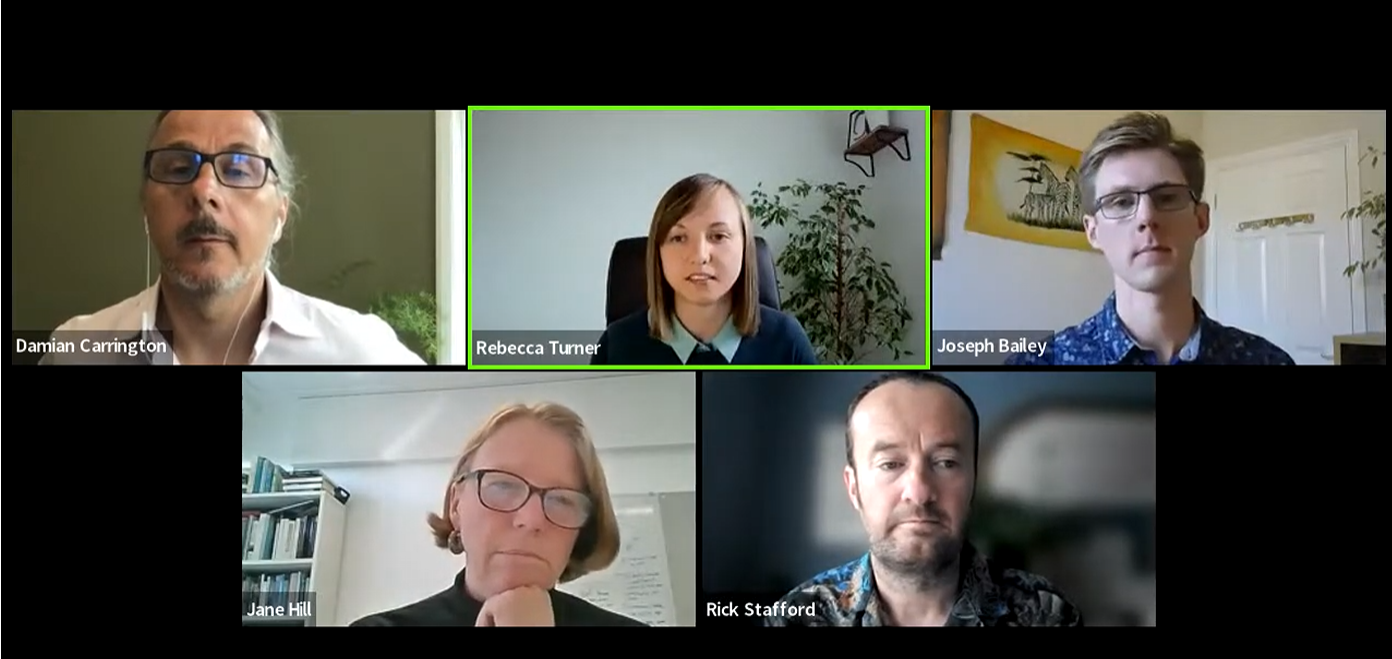
Becky (Empirical Nature) applied to the open call and was selected to contribute three chapters to Protected Areas Policy Briefing. Through investigations in the peer-reviewed literature, practitioner reports, and interviews with experts, Becky synthesised evidence on protected area effectiveness, the limitations of current approaches to area-based conservation, and implications for policy evaluation. The report was launch via an online event, hosted by The Guardian, where several authors presented some of the key findings from the report and answered audience questions.
Conclusion
This project focused on translating a diverse evidence base into clear messages for policymakers and practitioners. The emphasis of this collaborative project was on identifying where protected areas deliver biodiversity benefits, where they fall short, and how expectations should be shaped going forwards to better define ‘what counts’ in 30×30.
Read the full BES policy briefing here.
Want to turn complex evidence into actionable insights?
At Empirical Nature, we support researchers and organisations through our Research and Knowledge Exchange services. We help with evidence synthesis and systematic review workflows, supporting with research communication to a range of audiences.