Sensitive species the UK face multiple threats linked to climate change and human activity. However, many of these species are not well represented in biodiversity indicators and policy frameworks: essential tools in the conservation toolkit to support nature recovery.
How do we know species are declining if we don’t track their population trends?
The challenge isn’t a lack of data. Rather, it’s that species datasets are generally spread across different NGOs, digital platforms, and statutory bodies. Connected monitoring networks that make the most of available data can both showcase the full effort of the biodiversity recording community and better support nature recovery.
UK Amphibians and Reptiles
In 2021, we worked closely with a consortium of partnering amphibian and reptile conservation organisations to compile an inventory of amphibian and reptile datasets in the UK, with the aim of helping to create a better connected recording network.
The research highlighted emerging complexity across the data landscape, but showcased clear opportunities to integrate monitoring efforts to better support amphibian and reptile conservation.
Our approach
As a first step towards connecting up the monitoring network, we carried out the first systematic review of UK amphibian and reptile datasets. We used the FAIR data principles as a framework to guide us, as data which is ‘Findable‘, ‘Accessible‘, ‘Interoperable‘ and ‘Reusable‘ has the greatest potential to support research, policy and practice.
Our goals were simple:
- Track down datasets from across the UK — from national monitoring schemes to local record centres, NGOs, research projects, and citizen science platforms.
- Document existing data structure, strengths and limitations — spatial coverage, temporal extent, sampling approaches, taxonomic focus, and information content.
- Explore how datasets connect — where datasets complement each other, where there is duplication, how information flows between different schemes, and where integration could unlock new insights.
Key findings
Despite their elusive nature, amphibians and reptiles in the UK benefit from an active monitoring network, with recording projects, recording communities and digital data platforms all working to collect and share data.
- There are over 3x as many data sources as there are species of amphibian and reptile in the UK. We found 45 sources of FAIR data for just 13 native species in 2021.
- While no single dataset had sufficient coverage to estimate multi-species trends at the national scale, a selection of species are effectively monitored through existing schemes.
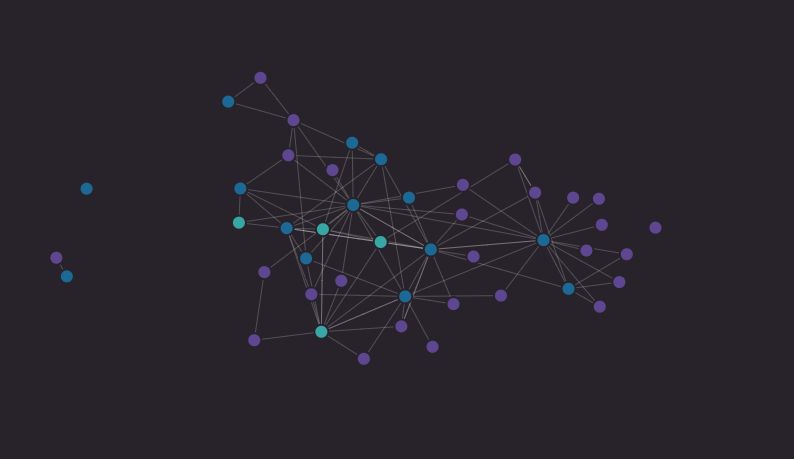
- A dynamic, yet patchy exchange of data occurs between different platforms and organisations.
- Finite resources, coupled with a rapid increase in innovation, appears to be driving fragmentation of the evidence base.
- Central data platforms play a critical role in the network, with some caveats:
- The NBN Atlas and Local Environmental Records Centres are key hubs for data sharing.
- Aggregating datasets improves visibility but can strip away information about how data were collected, which is important to understand when trying to reliably infer population trends.
Conclusions
Gaps in national evidence highlight clear opportunities to connect people, data and digital tools. Collaborations extend throughout the recording community, and integration of existing datasets could unlock huge value from the records already being collected. With strategic coordination, we can turn this collective effort into a stronger, more joined-up evidence base for these species.
Based on this research, we recommend several practical considerations for NGOs, scheme organisers and data managers:
- Understanding what existing data can and cannot support is essential when engaging policymakers and funders.
- Early‑stage data audits reduce the risk of datasets becoming in conflict with current monitoring objectives and ensure that data continue to support species conservation through uncertain socio-economic and political landscapes.
- Collaborative workshops, events and research projects can help organisations move from recognising evidence gaps to acting on them. Bringing together recorders, scheme organisers, NGOs, researchers and data users, can identify shared priorities, clarify monitoring objectives, explore opportunities for data integration and build practical roadmaps for strengthening the evidence base.
The full paper is available to read now in Biodiversity and Conservation.
With special thanks to the following organisations for their support with this research!
- Amphibian and Reptile Conservation Trust
- Amphibian and Reptile Groups of the UK and local ARG groups
- ARIES Doctoral Training Partnership
- Biological Records Centre
- British Trust for Ornithology
- Durrell Institute of Conservation and Ecology, University of Kent
- Froglife
- Royal Society for the Protection of Birds
- UK Centre for Ecology & Hydrology
- Woodland Trust
Need help making better use of your biodiversity data?
At Empirical Nature, we help conservation organisations turn evidence gaps into practical next steps through our Research & Knowledge Exchange services. Our support includes evidence synthesis, data audits and analytics, and facilitated workshops that identify shared priorities, work-the-problem, and strengthen conservation evidence.
References
Turner, R. K., Griffiths, R. A., Wilkinson, J. W., Julian, A. M., Toms, M. P., & Isaac, N. J. B. (2023). Diversity, fragmentation, and connectivity across the UK amphibian and reptile data management landscape. Biodiversity and Conservation, 32, 37-64. Available at: https://link.springer.com/article/10.1007/s10531-022-02502-w