Many conservation organisations invest huge amounts of time, effort and resource into collecting biodiversity data. Yet, even where data exist, they do not always move easily between the people who collect them and the decision-makers who need them.
It is increasingly important to understand where the flow of data breaks down. Doing so means that we can develop tailored solutions to barriers. Rather than only treating data flow as a technical problem, we need to account for the social factors that shape how data are shared and reused.
Context
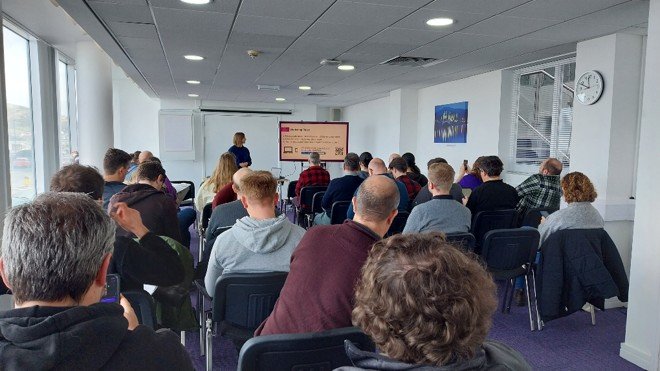
We lead a stakeholder workshop at the Herpetofauna Workers’ Meeting 2023, held in Llandudno, North Wales. We explored some of the key issues around recording and data sharing with the amphibian and reptile conservation community.
Our approach
Our participatory workshop brought together volunteers, NGOs, ecological consultants, monitoring scheme coordinators, and researchers involved in amphibian and reptile monitoring. The participants explored how data moves through the network, where bottlenecks occur, and what motivates or discourages data sharing. The workshop ended with group discussions around potential solutions to overcome the barriers and challenges identified in the workshop.
Key findings
Data flow is shaped by people as much as platforms. Trust and reciprocity strongly influence our decisions around data sharing.
Fragmentation of the evidence base often reflects the nature of short-term, competitive funding mechanisms. This can lead to misaligned incentives.
Metadata loss is a critical weak point. As data moves between systems, information about survey effort, site history or recording conditions can be stripped away. This limits data reuse for analysis and reporting.
Additionally, some constraints reflect limited capacity (time, funding, human resources) and the need to protect sensitive species data.
Collaborative research, outreach, and regional projects offer some clear opportunities to align incentives, build trust, and share information to enhance conservation initiatives.
Conclusions
Barriers to data flow cannot be overcome by technology alone. While digital platforms can improve access, storage and interoperability, they cannot resolve questions of trust, motivation, funding, or shared priorities.
This is where co-design and stakeholder workshops can be especially valuable. Bringing together different stakeholder groups recorders, NGOs, data managers, researchers and decision-makers creates space to identify where data flow breaks down, clarify what different groups need from the evidence base, and agree what can realistically be improved.
Thank you to Amphibian and Reptile Conservation Trust and Amphibian and Reptile Groups of the UK for inviting us to run the workshops, and extra thanks to all of the workshop participants for kindly sharing your experiences and supporting our research!
Need support designing stakeholder workshops?
At Empirical Nature, we support conservation organisations through our Research and Knowledge Exchange services, including the design, facilitation and synthesis of stakeholder workshops. We help bring together the right people, structure productive conversations, and turn complex evidence challenges into clear priorities and practical next steps.